How to winterize your plumbing in Crestview
Crestview pipes freeze when overnight lows hit the low 20s, usually in December and January. Here is the exact checklist we use to winterize plumbing in Crestview FL.
Winterizing your plumbing in Crestview means draining and insulating every pipe that sits in an unconditioned space before the first hard freeze, which for us usually lands in mid-to-late December. That is the whole job in one sentence: outdoor spigots drained, hose bibs covered, attic and garage lines wrapped, and the main shut-off valve tested so you can kill the water fast if a line splits.
We run this exact checklist on Crestview homes every November and December, and the calls we get in January tell us who skipped it. Below is the full winter plumbing preparation Crestview homeowners can do in a weekend, plus the spots where our climate fools people.
When should you winterize your pipes in Crestview?
Winterize your pipes in Crestview between the second week of November and the first week of December, before overnight lows drop below 32°F. Our first freeze typically arrives the first or second week of December, and the coldest stretch runs from late December through early February, when Crestview sees overnight lows in the low 20s and occasional dips into the upper teens.
That window matters because most of the work is temperature-independent. Wrapping pipes, draining spigots, and testing shut-off valves take a Saturday afternoon, and none of it requires cold weather to be effective. Waiting until the first freeze warning gives you one evening to do a job that should take a weekend.
If you have already had a freeze warning and did nothing, you are not out of luck. Do the outdoor faucets first, then the attic lines, then the main shut-off. That order matches how water damage usually happens in this area.
What temperature do pipes freeze in Crestview, Florida?
Water in exposed pipes begins to freeze at 32°F, but the pipes that burst in Crestview homes are usually the ones sitting in attics, garages, and crawlspaces where the air hits 20°F or lower while the outdoor thermometer reads 28°F. The pipe does not have to freeze solid to fail. Ice forming along one section traps water between the ice and a closed valve, and that trapped water is what splits copper and CPVC.
Two numbers matter more than the air temperature. First, wind chill: a 25°F night with 15 mph wind pulls heat out of an exposed pipe roughly twice as fast as still air at the same temperature. Second, duration: four hours at 24°F does more damage than a 30-minute dip to 28°F.
Most Crestview homes have at least one pipe that sits in an unconditioned space. Common culprits:
- Hose bibs on the north and west walls, which get the wind first
- Attic runs above the garage or a bonus room
- Garage walls where the washer supply lines come through
- Crawlspace lines under pier-and-beam homes
- Any pipe running along an exterior wall with no insulation behind it
The Crestview plumbing winterization checklist
This is the sequence we follow on a standard Crestview home. It takes two to four hours for a single-story house with a normal number of fixtures, and longer if you have a detached shop or a second hose bib on the far side of the property.
- Disconnect every garden hose. A hose left on a spigot traps water in the faucet body and the pipe behind it. This is the single most common cause of a split hose bib we see.
- Shut off and drain outdoor faucets. If you have an interior shut-off valve for the hose bibs, close it, then open the outdoor spigot to let the remaining water drain out.
- Install foam faucet covers on any spigot without an interior shut-off. They cost $3 to $8 each and buy you 10 to 15 degrees of protection.
- Insulate exposed pipes in the attic, garage, and crawlspace with foam pipe sleeves sized to the pipe. A 6-foot sleeve runs $2 to $4.
- Wrap the water heater and its lines. If your heater sits in the garage, insulate the hot and cold lines at the top of the tank. A tank blanket is worth it if the unit is more than 10 years old.
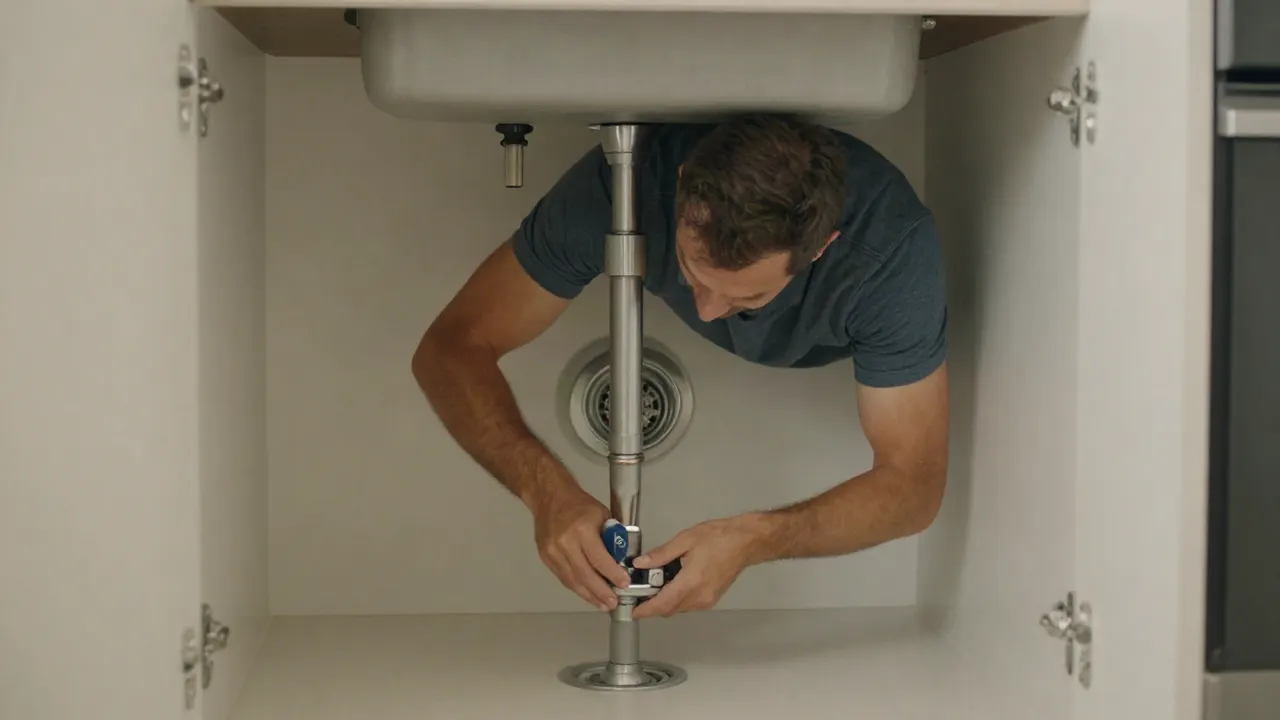
- Test the main shut-off valve. Close it, open a faucet, confirm the water stops, then open it back up. A valve that will not close is worse than no valve.
- Locate the meter box key or know where your curb stop is, in case you need to shut water off at the street.
- Set the thermostat no lower than 55°F if you are leaving town, and open cabinet doors under sinks on exterior walls.
If you want the whole list handled in one visit, our residential plumbing services crestview FL team walks the house top to bottom and flags anything that will not survive a 20°F night.
Winterize outdoor faucets in Crestview FL
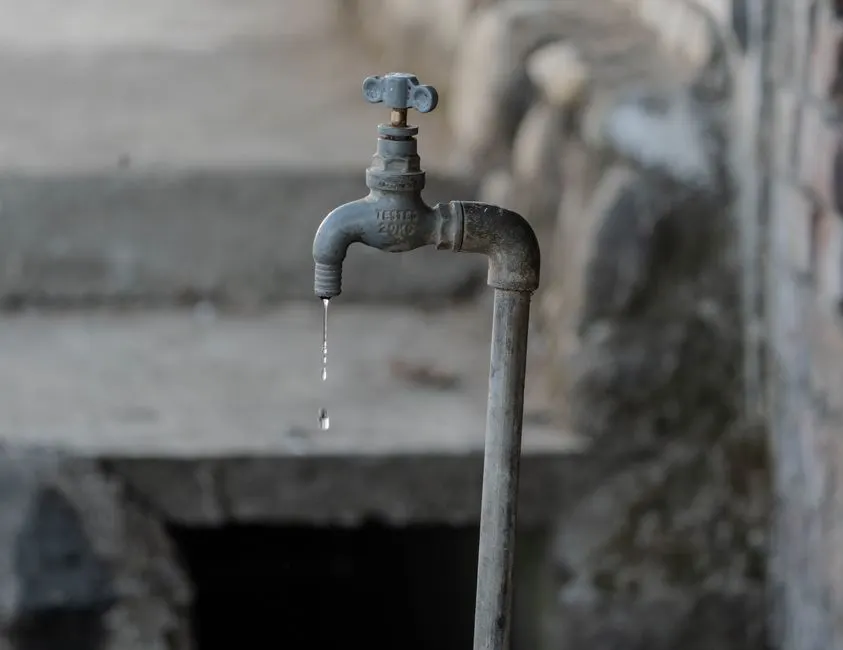
Outdoor faucets are where most Crestview freeze damage starts, because they are the only plumbing fixture fully exposed to wind. A hose bib on a north-facing wall can freeze on a night when the rest of the house is fine.
Three things to check on every spigot:
- Is there an interior shut-off? Many Crestview homes built after 2000 have one. If yours does, close it and drain the spigot. That is the best protection you can get.
- Does the spigot drip when closed? A worn washer lets water sit in the faucet body, which is exactly what freezes. Fix the drip before winter, not after.
- Is the pipe behind the spigot insulated? On homes with the faucet mounted through a brick or block wall, the pipe stub inside the wall is the weak point.
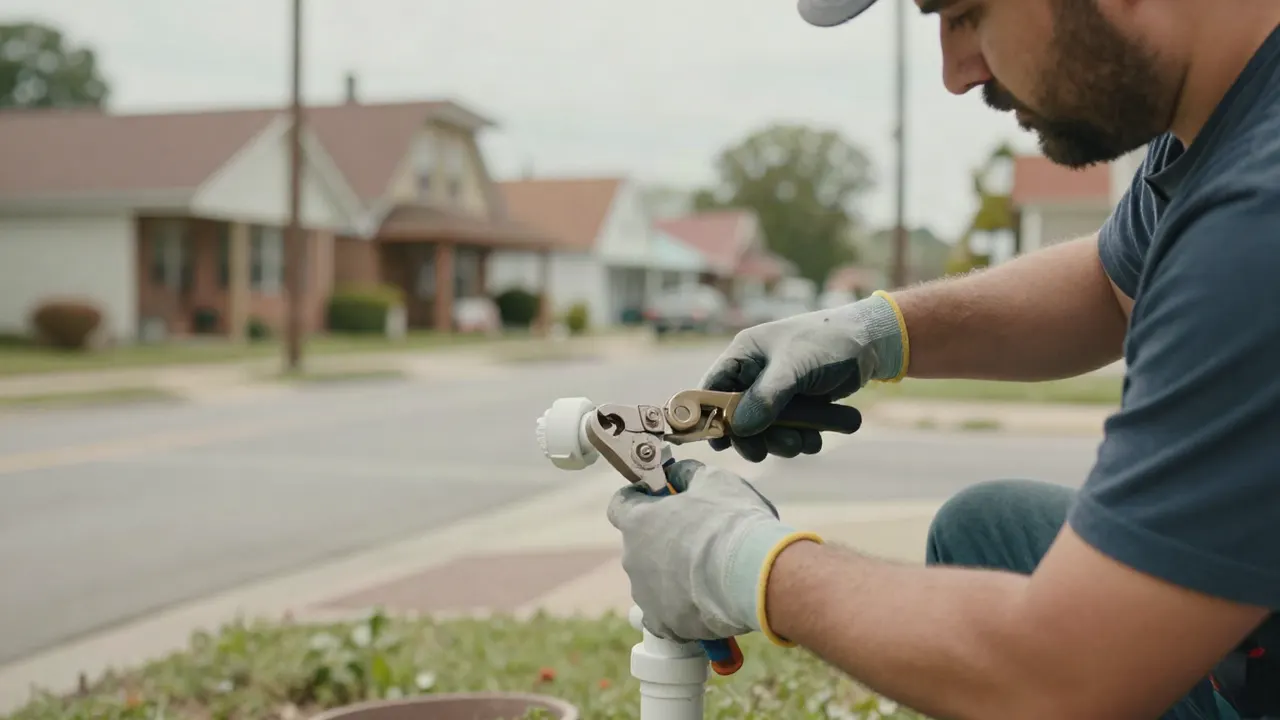
If a hose bib has already split, we can usually swap it in under an hour. That is a pipe repair crestview FL call we run constantly in January, and it is far cheaper than the drywall and flooring work that follows an interior leak.
Winter plumbing prep inside the house
Indoor winter plumbing preparation Crestview homeowners should not skip comes down to three systems: the water heater, the washer connections, and anything on an exterior wall.
Water heater
If your water heater lives in the garage, the cold inlet line is the first thing to freeze. Insulate both lines at the top of the tank, and flush the tank once before winter if you have not done it in the last 12 months. Sediment at the bottom of the tank makes it work harder in cold weather, and a hard-working heater is more likely to fail when you need it most. Our water heater maintenance crestview FL service covers the flush, the anode rod check, and the line insulation in one visit.
Washer supply lines
Rubber washer hoses in a cold garage crack and burst. Swap them for braided stainless lines, which handle freeze-thaw cycles far better and cost $15 to $25 a pair. If the washer sits against an exterior wall, pull it out 4 to 6 inches so warm air can circulate behind it.
Under-sink cabinets
On nights below 25°F, open the cabinet doors under kitchen and bathroom sinks on exterior walls. The warm air from the room is often the only thing keeping those pipes above freezing.
Freeze protection for pipes in Crestview Florida
Freeze protection for pipes in Crestview Florida is mostly about heat retention and airflow, not gadgets. The hardware store sells a lot of products that do very little. Here is what actually works, in order of value per dollar.
- Foam pipe sleeves - $2 to $4 per 6-foot section, the cheapest real protection you can buy
- Faucet covers - $3 to $8 each, worth it on any spigot without an interior shut-off
- Heat tape - $25 to $60 per run, only worth it on a pipe that has frozen before
- Pipe insulation wrap - $10 to $20 per roll, good for irregular fittings and valves
- Smart leak sensors - $30 to $60 each, place one near the water heater and one under the kitchen sink
What does not work: leaving a faucet dripping as your only strategy. A slow drip helps on a marginal night, but it will not save a pipe in an attic when the temperature drops to 20°F for six hours. Pair the drip with insulation, or skip the drip and insulate properly.
If you have already had a freeze event and want to know whether a line cracked, our leak detection crestview FL team can pressure-test the system and find hidden damage before it shows up as a wet ceiling in March.
Common mistakes we see every January
The same handful of mistakes cause most of the freeze damage we repair in Crestview each winter. Avoiding them is worth more than any product on the shelf.
- Leaving the hose connected. This is number one by a wide margin. The hose holds water against the spigot, and the spigot splits.
- Insulating the pipe but not the fittings. Elbows, tees, and valves freeze first. Wrap them too.
- Closing the interior shut-off but not draining the spigot. Water stays trapped between the two valves and freezes anyway.
- Turning the heat off while traveling. A 55°F thermostat setting costs a few dollars and prevents a five-figure repair.
- Assuming a newer house is safe. We see freeze damage in homes built in 2018 as often as in 1985 homes. Construction age does not determine whether a pipe sits in a cold attic.
- Waiting for a burst to call. A pinhole leak from a freeze event can run inside a wall for weeks before you notice it.
If you are not sure whether your home has a vulnerable run, we are happy to look. We serve homeowners across the area, and a lot of the calls we get from plumbing crestview FL start with a simple question about a cold spot in the house.
When to call a professional
Call a professional if you cannot find or operate your main shut-off valve, if any pipe in your attic or crawlspace is already showing frost or condensation, or if you have had a freeze-related leak in the same spot more than once. Those three situations mean the underlying problem is not going to be solved by foam sleeves.
At Crestview Emerald Vale Plumbing, we handle winterization walkthroughs, pipe insulation, hose bib replacement, and emergency freeze repairs. We find the vulnerable run, fix it, and test the line before we leave. If you want the job done once and done right, that is what we do.
Frequently Asked Questions
How do I winterize my plumbing in Crestview FL?
Disconnect hoses, shut off and drain outdoor faucets, install faucet covers, insulate exposed pipes in the attic, garage, and crawlspace, and test your main shut-off valve. The full job takes two to four hours on a typical Crestview home and should be finished by early December.
When should I winterize my pipes in Crestview?
Between mid-November and the first week of December. Crestview's first freeze usually arrives in early to mid-December, and the coldest stretch runs from late December through early February, with overnight lows in the low 20s.
What temperature do pipes freeze in Crestview, Florida?
Water freezes at 32°F, but pipes in attics and crawlspaces see temperatures 5 to 10 degrees colder than the outdoor reading. A four-hour stretch at 24°F with wind is enough to split an exposed copper or CPVC line.
How do I prevent frozen pipes in Crestview?
Insulate every pipe in an unconditioned space, drain outdoor spigots, keep the thermostat at 55°F or higher, and open cabinet doors under sinks on exterior walls during hard freezes. Insulation matters more than leaving a faucet dripping.
Do I need to winterize if I live in a newer Crestview home?
Yes. Newer homes still run plumbing through attics and garages, and we repair freeze damage in 2018-built houses as often as older ones. The construction year does not change whether a pipe sits in cold air.
Get help with plumbing in Crestview
If you would rather have someone walk your house and handle the whole checklist before the first freeze, call Crestview Emerald Vale Plumbing at (850) 905-5111. We will insulate what needs insulating, fix what is already cracked, and make sure your shut-off works when you need it.