Why is my water heater leaking from the bottom
A water heater leaking from the bottom in Crestview, FL is usually a failed tank, drain valve, or T&P valve. Here is how to tell which one you have.
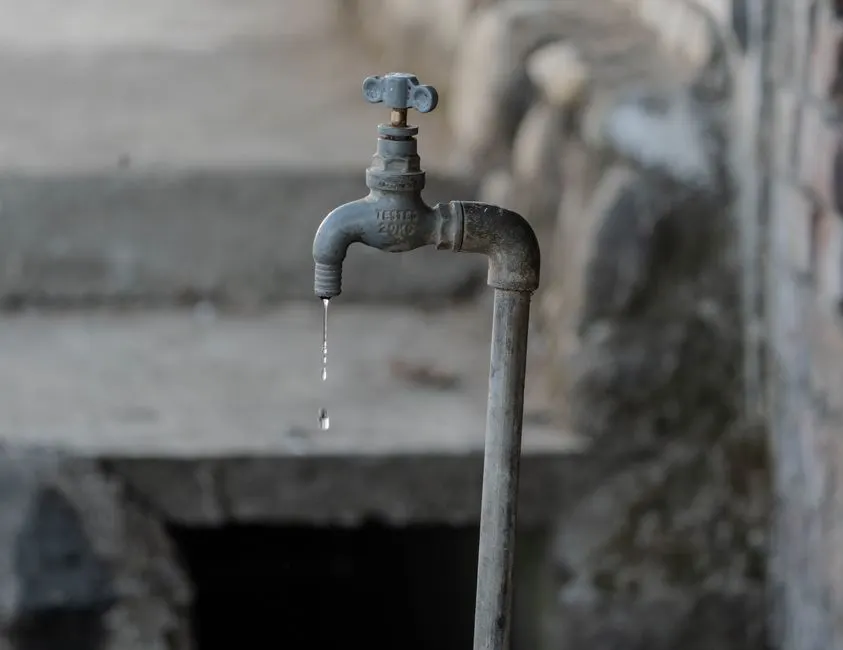
A water heater leaking from the bottom almost always means the tank itself has failed, not a loose fitting. On a tank-style heater, the bottom of the unit is where the steel shell meets the drain valve and the burner assembly - and once water is pooling there, the inner glass lining has usually cracked and the steel is rusting through from the inside. That is not a repair you can patch. The rest of this post walks through the seven causes we see most often in Crestview, how to tell a tank failure from a fitting leak in about five minutes, what a fix costs in 2026, and when replacement is the only honest answer.
The short answer: why water heater leaking from bottom happens
A water heater leaking from bottom in Crestview FL is a symptom of one of two things: a failed tank (the steel has rusted through and the lining is gone), or a failed component mounted at the bottom - the drain valve, the T&P relief valve, or a loose inlet/outlet fitting. Tank failures cannot be repaired. Component failures can, and usually for under $300.
Here is the part most homeowners miss: on a tank water heater, the bottom is the lowest point, so any leak from anywhere on the tank eventually shows up there. Water runs down the insulation jacket and pools at the base. That means a leak at the top fitting can look like a leak at the bottom. You have to look up, not just down.
If you see water under the tank and the unit is more than 10 years old, the odds are heavily in favor of tank failure. If the unit is under 6 years old, the odds are in favor of a valve or fitting. That age split is the fastest diagnostic you have.
The 7 most common causes of a water heater leaking from the bottom
These are the causes we actually find on service calls across Crestview, in order of how often they turn out to be the culprit.
1. Internal tank corrosion (the most common cause)
Tank water heaters have a glass-lined steel shell. That lining cracks over time, especially in areas with aggressive water. Once it cracks, the steel behind it starts rusting, and eventually a pinhole opens up. Water weeps through, soaks the insulation, and drips out the bottom. This is the classic bottom leak, and it is not repairable - the tank is the pressure vessel.
Signs: rusty water at the hot tap, a metallic taste, popping or rumbling sounds during heating, and visible rust streaks on the tank base. If you see rust on the tank itself, the tank is done.
2. A failed drain valve
The drain valve sits at the bottom of the tank, right where the leak shows up. It is a plastic or brass spigot that gets used maybe once a year during flushing. The washer inside dries out, cracks, or the plastic body splits. Water drips from the spigot and pools at the base.
This one is fixable. We replace the valve, flush the tank, and you are back in business for a fraction of the cost of a new heater. If your leak is coming from a small spigot at the bottom rather than the seam, this is your answer.
3. A leaking T&P relief valve
The temperature and pressure relief valve is a safety device. It opens when the tank gets too hot or the pressure gets too high. If it is dripping, it is doing its job - but it is telling you something is wrong. Either the valve itself has failed (sediment or corrosion keeps it from sealing), or the tank is actually over-pressurizing.
Do not cap or plug a T&P valve. That is a code violation and a genuine safety hazard. If it is dripping, we replace it and check the expansion tank and thermostat at the same time.
4. Loose inlet or outlet connections
The cold inlet and hot outlet fittings are at the top of the tank, but water from a loose connection runs down the side of the unit and pools at the bottom. This is why you always check the top fittings before condemning a tank. A quarter-turn on a union nut or a new dielectric nipple often solves it.
5. A failed expansion tank
If your system has a thermal expansion tank (most Crestview homes built after 2000 do, and many older homes have had one added), a ruptured bladder inside it will cause pressure spikes. Those spikes push water out of the T&P valve, which then drips down to the base. Replacing the expansion tank is a $150-$300 job and stops the leak.
6. Sediment buildup causing overheating
Crestview water carries minerals. Over years, those minerals settle at the bottom of the tank and form a crust between the burner and the steel. The steel overheats, the lining fails faster, and the tank fails early. Annual flushing is the only prevention. If you have never flushed your heater and it is 8+ years old, sediment is likely accelerating the failure.
7. A cracked weld or seam at the base
Where the tank shell meets the base plate, there is a weld. That weld can crack from thermal cycling - heating and cooling, day after day. A cracked weld is a tank failure. Same verdict as corrosion: replace the unit.
How to tell if it is a tank failure or a fitting leak
You can narrow this down in about five minutes with a dry paper towel and a flashlight. Here is the sequence we use on every call.
- Shut off the gas or breaker and the cold water supply. Safety first. You cannot diagnose a live heater safely.
- Dry the tank completely - top, sides, and base. Use a towel, not a rag you want back.
- Look at the top fittings first. Check the inlet, outlet, T&P valve, and any unions. If they are wet, the leak is up top and running down.
- Check the drain valve. If the spigot itself is wet or dripping, that is your leak.
- Wait 20-30 minutes with the water supply back on. Watch where the first drop appears. If water seeps from the seam at the base - not from a fitting - the tank is gone.
If the first moisture appears at the seam between the tank body and the base plate, stop. That is a tank failure and no amount of sealant will fix it. If the first moisture appears at a valve or fitting, you have a repair on your hands.
One more check: look at the burner chamber on a gas unit. If you see water inside the combustion chamber or rust flakes around the burner, the tank is leaking internally and the unit is unsafe to run.
Can a leaking water heater be repaired in Crestview?
Yes, if the leak is from a component - drain valve, T&P valve, expansion tank, or a fitting. No, if the leak is from the tank itself. That is the entire decision tree, and it is not a sales tactic. A tank is a pressure vessel. Once the steel is compromised, no patch, epoxy, or sealant will hold against 150 PSI of hot water. Anyone who tells you otherwise is selling you a callback.
Here is how we make the call on a service visit:
- Repair if the tank is under 8 years old, the leak is at a valve or fitting, and the tank body is dry and rust-free.
- Replace if the tank is 10+ years old, the leak is at the seam, or there is visible rust on the tank shell.
- Replace if the tank is 6+ years old and you have already paid for one repair in the last two years. You are throwing money at a dying unit.
For homeowners who want to stop the cycle entirely, we install tankless water heater installation crestview FL - no tank to rust, a 20-year service life, and lower standby losses. It is not the right call for every house, but it is worth pricing before you buy another tank.
If you are staying with a tank, we handle water heater installation crestview FL with same-day replacement in most cases. We haul the old unit away, set the new one, and test for leaks before we leave.
Water heater leaking from bottom repair cost in Crestview FL
Typical 2026 pricing in this area runs $150-$350 for a drain valve or T&P valve replacement, $200-$400 for an expansion tank swap, and $1,200-$2,400 for a full tank replacement installed, depending on tank size, fuel type, and whether code upgrades (expansion tank, pan, drain line) are needed. Tankless replacement runs $2,800-$4,500 installed.
What drives the number up or down:
- Tank size. A 40-gallon is cheaper than a 75-gallon. Most Crestview homes run 40 or 50 gallons.
- Fuel type. Gas units cost more to install than electric because of venting and gas line work.
- Location. A heater in a garage or utility closet is straightforward. One in an attic or tight crawlspace adds labor.
- Code upgrades. A drip pan, expansion tank, and proper T&P discharge line are required on new installs. If your old unit did not have them, they get added.
We quote the price before we start, and the number you hear is the number you pay. No diagnostic fee on the first visit when you book the repair with us.
Common mistakes homeowners make with a leaking water heater
The mistakes below are the ones that turn a $250 repair into a $6,000 water-damage claim. We see all of them.
- Ignoring it because it is "just a little drip." A pinhole in a pressurized tank becomes a flood without warning. The tank does not leak slowly forever - it lets go.
- Capping or plugging the T&P valve. This is the single most dangerous thing you can do. That valve is the only thing standing between your tank and a steam explosion.
- Using epoxy or tank sealant. It does not work on a pressure vessel. It fails within weeks, usually at 2 a.m.
- Turning the temperature up to "fix" the hot water. If the tank is leaking, raising the temp accelerates the failure and risks scalding.
- Not shutting off the water supply. Every minute the supply stays on, more water enters the tank and more water exits onto your floor.
- Skipping the annual flush. Sediment is the number one cause of early tank failure in this area. A $125 flush once a year adds years to the tank.
If you have hard water or have never flushed your heater, book water heater maintenance crestview FL before the tank fails. It is the cheapest plumbing service you will ever buy.
When to call a professional
Call us when the leak is at the tank seam, when you see rust on the tank body, when the T&P valve is dripping and you cannot tell why, or when the unit is 10+ years old and you are not sure whether to repair or replace. Those are the calls where a 20-minute diagnosis saves you thousands.
We also handle the water side of the problem. A leaking heater often sits next to a failing pan drain or a corroded supply line, and we check both while we are there. If you have moisture anywhere else in the house, we run leak detection crestview FL to find the source before it spreads. And if the leak has already reached a floor drain or the pan drain is backing up, we clear it with drain cleaning crestview FL so the next drip has somewhere to go.
Crestview Emerald Vale Plumbing is a state-licensed plumbing contractor. We work on gas and electric tank heaters, tankless units, and expansion tanks. We carry common replacement parts on the truck, so most valve and fitting repairs are done in one visit.
Frequently Asked Questions
Why is my water heater leaking from the bottom in Crestview FL?
In Crestview, the most common cause is internal tank corrosion - the glass lining cracks, the steel rusts through, and water weeps out the base. The second most common is a failed drain valve at the bottom of the tank. If the unit is 10+ years old, assume tank failure until proven otherwise.
Can a leaking water heater be repaired in Crestview?
Yes, if the leak is from a drain valve, T&P valve, expansion tank, or fitting - typical repair runs $150-$400. No, if the tank itself is leaking at the seam or through rust. A pressure vessel cannot be patched, and any sealant fix will fail within weeks.
How much does water heater leak repair cost in Crestview FL?
In 2026, valve and fitting repairs run $150-$350. Expansion tank replacement runs $200-$400. Full tank replacement installed runs $1,200-$2,400. Tankless replacement runs $2,800-$4,500. We quote before we start and there is no diagnostic fee on the first visit.
Should I replace my leaking water heater in Crestview?
Replace it if the tank is 10+ years old, the leak is at the seam, or you see rust on the tank body. Repair it if the unit is under 8 years old and the leak is at a valve or fitting. Age plus leak location answers this question every time.
Is a leaking water heater dangerous?
A slow drip is a water-damage risk, not an immediate safety hazard. A leaking T&P valve that has been capped, or water in the burner chamber of a gas unit, is a genuine safety hazard. Shut off the gas or breaker and call us before running the unit.
Get help with plumbing in Crestview
If your water heater is leaking from the bottom, shut off the water supply and call us. We will tell you on the phone whether it sounds like a repair or a replacement, and we will be there with the parts to handle either one.
Call Crestview Emerald Vale Plumbing at (850) 905-5111 for same-day water heater leak repair in Crestview and the surrounding area.